Discovering a breast lump can create immediate anxiety, even when the lump eventually turns out to be non-cancerous. Many women delay medical consultation because of fear, uncertainty, or the assumption that the swelling will disappear on its own. But any persistent breast lump deserves proper evaluation, especially if there is pain, skin changes, or noticeable growth over time.
In Vashi and Navi Mumbai, awareness regarding breast health has improved steadily, though hesitation still exists in many households. Some patients quietly ignore symptoms for months because they feel uncomfortable discussing them openly. Others search online endlessly, which often increases panic rather than providing clarity.
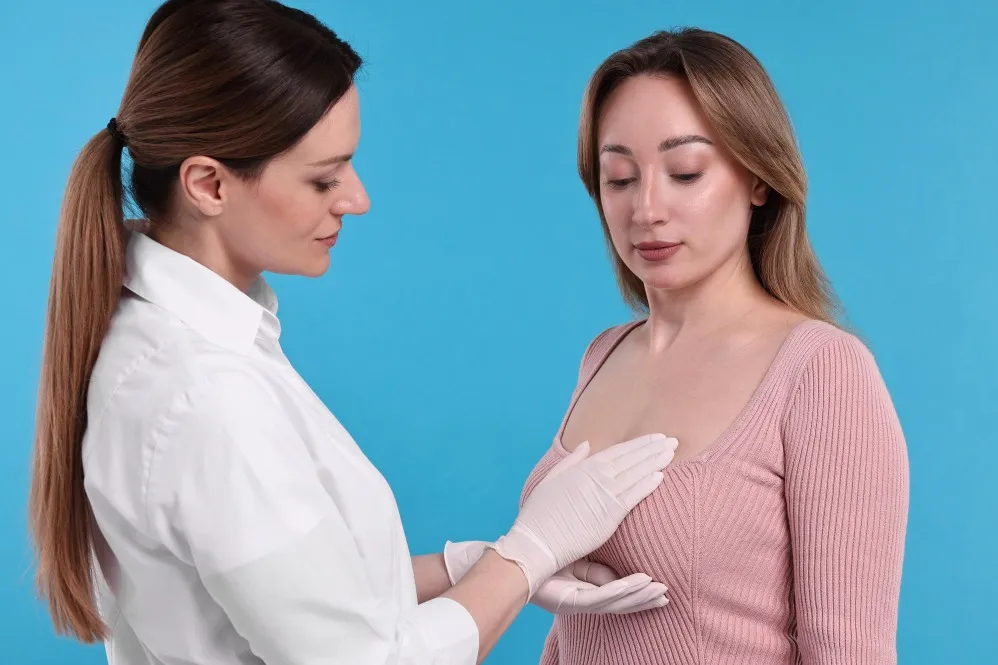
A breast lump does not automatically mean cancer. Several conditions, including cysts, infections, hormonal changes, or benign growths, can also cause swelling. Accurate diagnosis through examination and imaging helps determine the next step appropriately. Early evaluation remains important because it supports timely treatment if needed.
At Dr Girish Moharir Shree Hospital Vashi, consultations related to breast lumps focus on patient comfort and clear communication. Many patients arrive already stressed and emotionally overwhelmed. Understanding the patient’s symptoms carefully before discussing investigations or surgery helps create reassurance during the process.
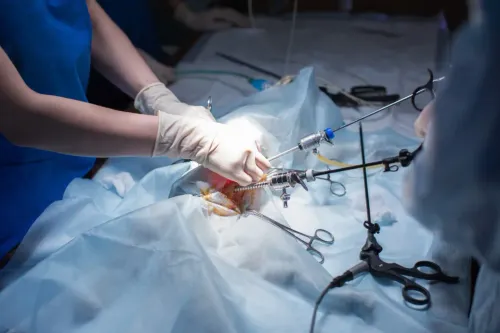
If surgery becomes necessary, the approach depends on factors like lump size, location, symptoms, and diagnostic findings. Modern surgical techniques are planned with attention to both medical safety and patient recovery. Follow-up care and monitoring are equally important after treatment.
Women are increasingly prioritizing preventive health awareness across Navi Mumbai now, which is genuinely encouraging. Small changes such as regular self-examination and timely medical consultation can help identify concerns earlier. Family history, persistent pain, nipple discharge, or unusual skin changes should never be ignored.
Health conversations around breast care are becoming more open today than they were a decade ago. That shift matters because awareness and early consultation often reduce fear, improve outcomes, and help patients make informed decisions with greater confidence and emotional support.
Keywords