Piles, also known as hemorrhoids, are a common condition that affects people of all ages. They develop when the veins in the lower rectum or anus become swollen due to increased pressure. While mild piles often improve with lifestyle changes and medication, some cases continue to cause pain, bleeding, itching, or difficulty during bowel movements. In such situations, laser piles surgery may be a suitable treatment option.
Many people in Vashi, Koparkhairne, Belapur, and other parts of Navi Mumbai delay seeking medical care because they feel embarrassed or assume the condition will resolve on its own. However, untreated piles can gradually worsen, making everyday activities uncomfortable. Understanding when laser surgery is recommended can help you make informed decisions about your health.
Understanding Different Types of Piles
Piles are generally classified into two categories:
- Internal piles: Located inside the rectum and often painless, though they may cause bleeding during bowel movements.
- External piles: Found around the anus and may cause pain, swelling, itching, or discomfort while sitting.
Doctors also classify piles into different grades depending on their severity. Early-stage piles can often be managed with conservative treatment, while advanced grades may require a surgical procedure.
Common Symptoms That Should Not Be Ignored
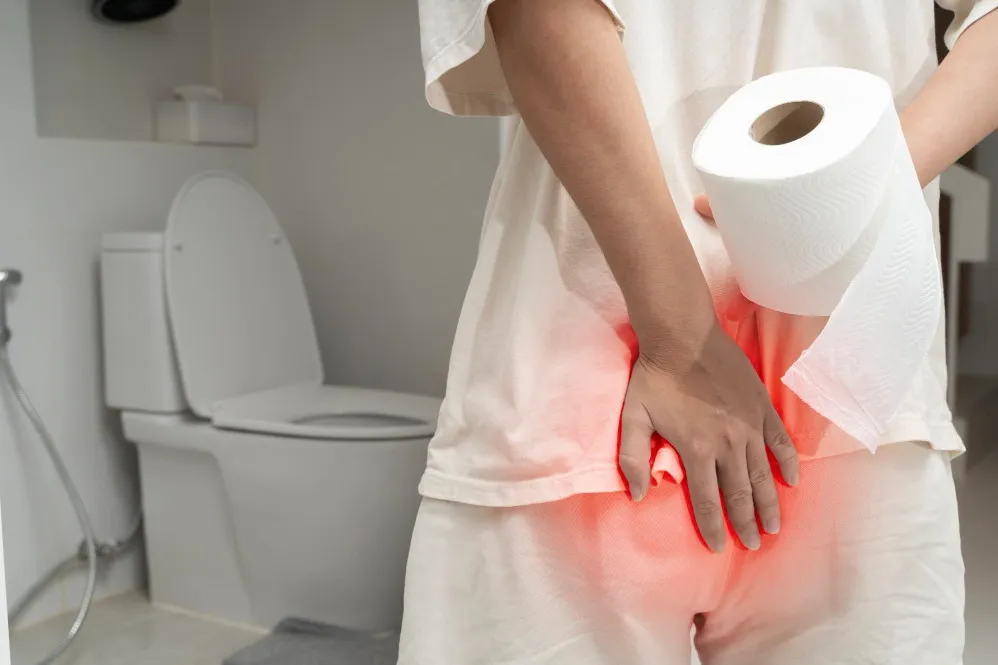
Although symptoms vary from person to person, some of the most common signs include:
- Bright red bleeding after passing stools
- Pain or discomfort during bowel movements
- Itching around the anal area
- Swelling or a lump near the anus
- Mucus discharge
- Difficulty maintaining proper hygiene due to protruding piles
If these symptoms continue for several weeks or become more frequent, it is advisable to consult a qualified general surgeon rather than relying only on home remedies.
What Is Laser Piles Surgery?
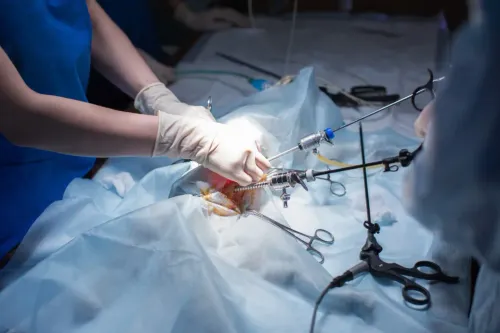
Laser piles surgery is a minimally invasive procedure that uses laser energy to shrink or remove swollen hemorrhoidal tissue. Unlike conventional surgery, the laser precisely targets the affected blood vessels while minimizing damage to nearby healthy tissue.
The procedure is usually completed within a short duration and is commonly performed under appropriate anesthesia based on the patient's condition and the severity of the piles.
Many patients appreciate this treatment because it combines precision with a quicker recovery compared to several traditional surgical techniques.
Who May Need Laser Piles Surgery?
Not every patient with piles requires surgery. Laser treatment is generally considered when:
- Medicines fail to control symptoms.
- Bleeding occurs repeatedly.
- Large piles prolapse outside the anus.
- Severe pain interferes with daily life.
- There are recurrent episodes despite previous treatment.
- The piles significantly affect work, travel, or routine activities.
A surgeon will evaluate your symptoms, medical history, and physical examination before recommending the most appropriate treatment.
Benefits of Laser Piles Surgery
Laser technology has become increasingly popular because it offers several practical advantages for suitable patients.
Some of the key benefits include:
- Smaller surgical wounds
- Less bleeding during the procedure
- Reduced postoperative discomfort
- Faster recovery in many cases
- Lower risk of infection
- Shorter hospital stay
- Earlier return to routine activities
While these benefits are common, the recovery experience differs for every individual depending on overall health and the severity of the condition.
Preparing for the Procedure
If laser surgery is advised, your surgeon may recommend:
- A physical examination
- Blood investigations
- Reviewing your current medications
- Temporary dietary modifications
- Following fasting instructions before surgery
Patients should also discuss any existing medical conditions such as diabetes, hypertension, or heart disease to ensure safe surgical planning.
Recovery After Laser Piles Surgery
Recovery is generally straightforward when post-operative instructions are followed carefully.
Most patients are advised to:
- Drink plenty of water.
- Eat a high-fiber diet.
- Avoid constipation.
- Take prescribed medications on time.
- Avoid heavy lifting for a short period.
- Maintain proper personal hygiene.
Regular follow-up appointments help ensure that healing is progressing as expected.
Can Piles Return After Surgery?
Laser surgery effectively treats existing piles, but recurrence is still possible if contributing lifestyle factors are not addressed.
To reduce the chances of recurrence:
- Eat more fruits, vegetables, and whole grains.
- Stay physically active.
- Avoid prolonged sitting.
- Do not strain during bowel movements.
- Drink adequate fluids throughout the day.
- Respond promptly to the urge to pass stools.
Healthy daily habits play an important role in maintaining long-term digestive health.
Choosing the Right Surgical Care in Navi Mumbai
When considering treatment, it is important to choose an experienced surgical team that provides accurate diagnosis and individualized care. Patients from Vashi, CBD Belapur, Koparkhairne, Panvel, Mankhurd, and nearby areas often look for healthcare providers who offer modern surgical techniques along with comprehensive pre- and post-operative guidance.
Dr Girish Moharir Shree Hospital Vashi provides evaluation and treatment for piles and various general surgical conditions. The hospital focuses on identifying the underlying cause of symptoms and recommending treatment based on each patient's specific needs rather than following a one-size-fits-all approach.
Persistent bleeding, pain, or swelling should never be ignored. Early consultation allows timely treatment and may help prevent complications, making recovery smoother and improving overall quality of life.
Keywords