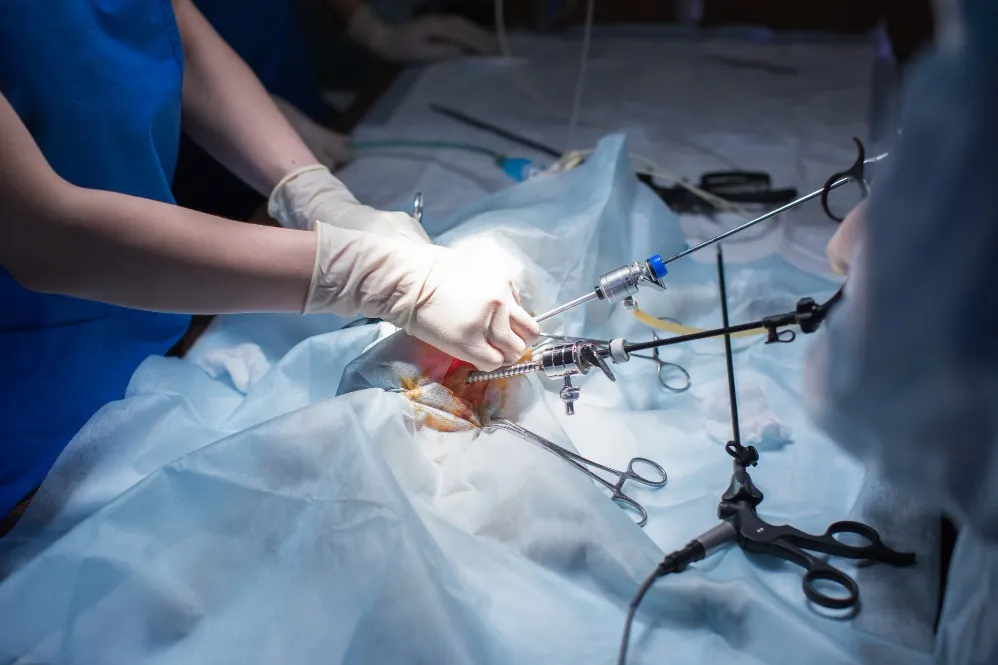
Laparoscopic surgery has transformed the way many abdominal conditions are treated. Instead of making a large incision, surgeons perform the procedure through a few small cuts using a camera and specialized instruments. This minimally invasive approach often results in less pain, faster recovery, and smaller scars compared to conventional open surgery.
Today, laparoscopy is widely used for diagnosing and treating various medical conditions involving the abdomen and pelvis. Patients from Vashi, Koparkhairne, CBD Belapur, Panvel, and across Navi Mumbai frequently choose laparoscopic procedures because they allow an earlier return to daily activities while maintaining high standards of surgical care.
What Is Laparoscopic Surgery?
Laparoscopy is a surgical technique in which a thin instrument called a laparoscope is inserted through a small incision. The laparoscope contains a high-definition camera that projects images onto a monitor, allowing the surgeon to view internal organs with excellent clarity.
Additional tiny incisions are made to introduce surgical instruments needed to complete the procedure.
Because the muscles and surrounding tissues experience less disruption than in traditional surgery, patients generally experience a smoother recovery.
Conditions That Can Be Treated Using Laparoscopy
Laparoscopic surgery is used for a wide variety of conditions, including:
- Gall bladder stones
- Hernias
- Appendicitis
- Certain intestinal disorders
- Ovarian cysts
- Diagnostic abdominal procedures
- Some bariatric surgeries
- Selected colorectal procedures
The suitability of laparoscopy depends on the patient's medical condition, previous surgeries, and overall health.
How Is Laparoscopic Surgery Different from Open Surgery?
Both laparoscopic and open surgery aim to treat the same medical condition, but the techniques differ significantly.
Laparoscopic Surgery
- Small incisions
- High-definition camera guidance
- Less tissue damage
- Reduced postoperative discomfort
- Smaller scars
- Faster recovery for many patients
Open Surgery
- Larger incision
- Direct access to the surgical site
- May be preferred for highly complex or emergency cases
- Longer healing period in many situations
Your surgeon decides the most appropriate approach after evaluating your individual condition.
Advantages of Laparoscopic Surgery
One of the biggest reasons patients prefer laparoscopy is the combination of safety and quicker recovery.
Some common advantages include:
- Smaller surgical wounds
- Minimal blood loss in many procedures
- Lower risk of wound-related complications
- Shorter hospital stay
- Earlier return to work
- Better cosmetic results
- Reduced postoperative pain
While these advantages are common, every patient's recovery depends on the complexity of surgery and individual health factors.
Who Is a Good Candidate?
Many patients are suitable candidates for laparoscopic surgery, but certain factors influence the final decision.
Your doctor will consider:
- Your age
- Overall physical health
- Previous abdominal surgeries
- Existing medical conditions
- Nature of the disease
- Body weight
- Diagnostic test results
In some complex situations, open surgery may still be the safest option.
Preparing for Laparoscopic Surgery
Preparation helps ensure a smoother procedure and recovery.
Patients are usually advised to:
- Complete recommended blood tests and imaging investigations.
- Discuss current medications with the surgeon.
- Follow fasting instructions before surgery.
- Inform the medical team about allergies or chronic illnesses.
- Arrange transportation after discharge if required.
Following pre-operative instructions carefully can help reduce potential complications.
What Happens During Recovery?
Recovery after laparoscopic surgery is generally quicker than after traditional surgery, although healing time varies depending on the procedure performed.
Most patients are encouraged to:
- Walk within a few hours after surgery if medically appropriate.
- Drink fluids gradually.
- Resume light meals as advised.
- Avoid lifting heavy objects for a few weeks.
- Keep surgical wounds clean and dry.
- Attend scheduled follow-up appointments.
Many individuals are able to return to office-based work within a relatively short period, while physically demanding jobs may require additional recovery time.
Are There Any Risks?
Like every surgical procedure, laparoscopy carries some risks, although serious complications are uncommon when performed by experienced surgeons.
Possible risks include:
- Bleeding
- Infection
- Injury to nearby organs
- Reaction to anesthesia
- Blood clots
- Rare need to convert to open surgery if required for patient safety
Discussing these possibilities before surgery helps patients understand both the benefits and limitations of the procedure.
When Should You Consult a Surgeon?
You should seek medical evaluation if you experience:
- Persistent abdominal pain
- Recurrent gall bladder attacks
- Hernia swelling
- Suspected appendicitis
- Unexplained abdominal symptoms
- Repeated digestive discomfort requiring investigation
Early diagnosis often allows conditions to be treated before they become more complicated.
Finding Experienced Laparoscopic Care in Navi Mumbai
Choosing a hospital with experienced surgeons and modern surgical facilities plays an important role in achieving good outcomes. Patients from Vashi, Belapur, Koparkhairne, Panvel, Mankhurd, and surrounding parts of Navi Mumbai often prefer centres that offer comprehensive evaluation, advanced laparoscopic techniques, and structured post-operative care.
Dr Girish Moharir Shree Hospital Vashi provides laparoscopic surgery for a range of general surgical conditions after careful assessment of each patient's medical needs. The focus is on selecting the most appropriate treatment approach while ensuring patient safety, comfort, and informed decision-making throughout the surgical journey.
When recommended for the right condition, laparoscopic surgery can offer effective treatment with the added benefit of a quicker recovery, helping patients return to their normal routine with greater confidence.
Keywords