Gall bladder problems are more common than many people realize. While some people have gallstones without any symptoms, others experience repeated pain, nausea, digestive discomfort, and even serious complications if treatment is delayed. Understanding when gall bladder surgery becomes necessary can help prevent emergencies and improve long-term digestive health.
People living in Vashi, CBD Belapur, Koparkhairne, Panvel, Mankhurd, and other parts of Navi Mumbai often mistake recurring abdominal pain for acidity or indigestion. Although these conditions may have similar symptoms, gall bladder disease requires proper medical evaluation to determine the most suitable treatment.
What Does the Gall Bladder Do?
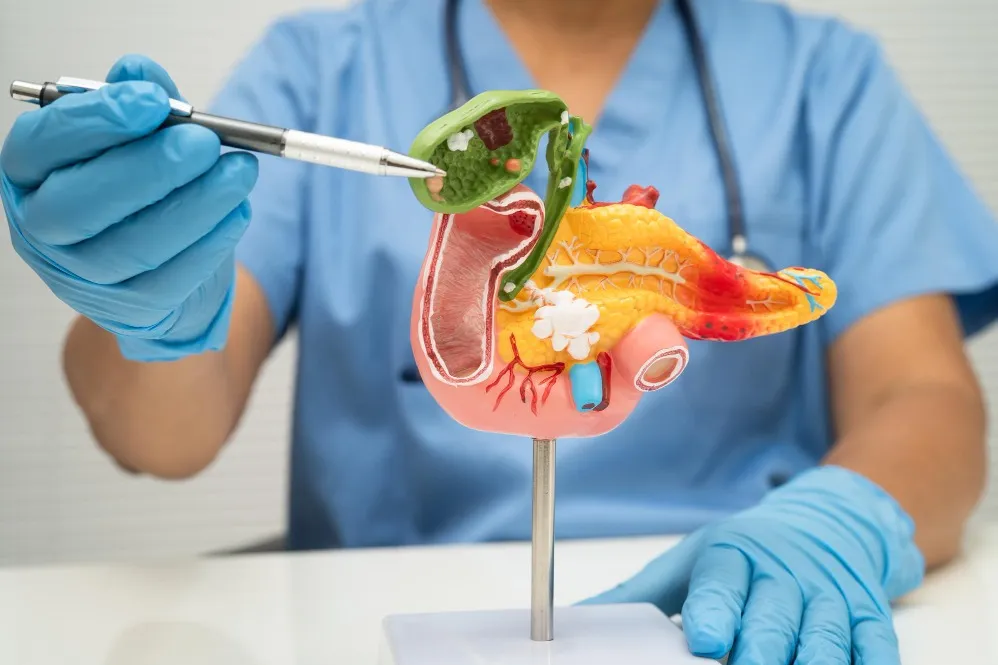
The gall bladder is a small organ located beneath the liver. Its primary role is to store bile, a digestive fluid produced by the liver that helps break down fats during digestion.
When you eat, the gall bladder releases bile into the small intestine. If gallstones block this process or the gall bladder becomes inflamed, it can lead to pain and other digestive problems.
Fortunately, people can live a healthy life without a gall bladder because the liver continues to produce bile after surgery.
What Causes Gall Bladder Problems?
The most common cause is the formation of gallstones. These are hardened deposits made from cholesterol, bile pigments, or other substances present in bile.
Several factors may increase the risk of developing gallstones:
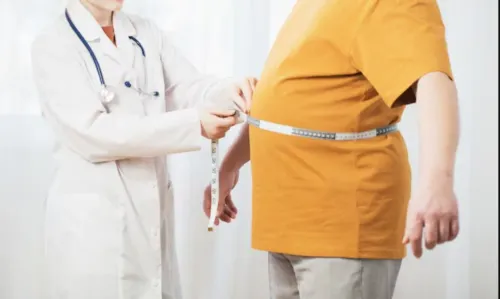
- Being overweight or obese
- Rapid weight loss
- High-fat or high-cholesterol diet
- Family history of gallstones
- Diabetes
- Pregnancy
- Increasing age
- Female gender, although men can also develop gallstones
Not everyone with gallstones develops symptoms, but those who do may eventually require surgery.
Symptoms That May Indicate Gall Bladder Disease
Gall bladder problems often begin with mild symptoms that gradually become more frequent.
Common warning signs include:
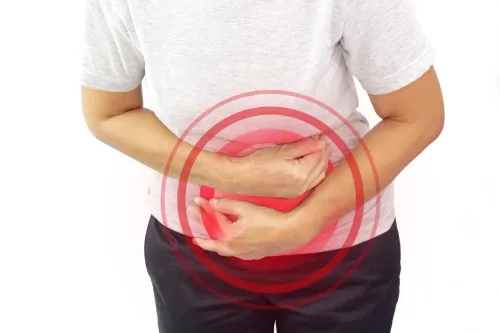
- Sharp pain in the upper right side of the abdomen
- Pain after eating oily or heavy meals
- Nausea or vomiting
- Pain spreading to the back or right shoulder
- Bloating
- Indigestion after meals
- Fever if infection develops
- Jaundice in severe cases when stones block the bile duct
Repeated attacks should never be ignored because complications can develop over time.
When Is Gall Bladder Surgery Recommended?
Surgery is generally advised when gallstones cause repeated symptoms or complications.
Your surgeon may recommend gall bladder removal if you experience:
- Frequent episodes of severe pain
- Recurrent gallstone attacks
- Gall bladder inflammation
- Infection
- Blocked bile ducts
- Gallstone pancreatitis
- Large gallstones causing persistent symptoms
If gallstones are discovered incidentally during a scan and are not causing problems, surgery may not always be necessary. Treatment decisions depend on your symptoms, overall health, and imaging findings.
What Is Gall Bladder Surgery?
Gall bladder removal surgery is known as cholecystectomy.
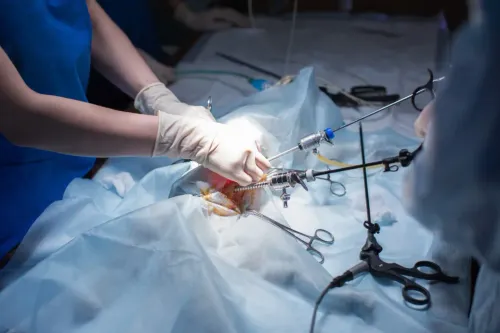
Today, most patients undergo laparoscopic cholecystectomy, which involves removing the gall bladder through small incisions using a camera and specialized instruments.
Compared to traditional open surgery, laparoscopic surgery often offers:
- Smaller scars
- Less pain after surgery
- Faster recovery
- Shorter hospital stay
- Earlier return to daily activities
However, some complex cases may still require open surgery if it is considered safer.
Preparing for Surgery
Before the operation, your doctor may recommend:
- Blood investigations
- Ultrasound or other imaging tests
- ECG if necessary
- Review of existing medications
- Temporary fasting before surgery
Patients should also inform their surgeon about allergies, previous operations, and chronic medical conditions such as diabetes or hypertension.
Recovery After Gall Bladder Surgery
Most people recover well following laparoscopic gall bladder surgery.
During recovery, patients are usually advised to:
- Start walking as soon as permitted
- Eat light meals initially
- Stay well hydrated
- Avoid heavy lifting for a few weeks
- Take prescribed medications
- Attend follow-up appointments
Some individuals notice temporary digestive changes after surgery, but these generally improve as the body adapts.
Can Gall Bladder Disease Be Prevented?
While not every case can be prevented, healthy lifestyle habits may help reduce the risk.
Helpful measures include:
- Maintaining a healthy body weight
- Eating plenty of fruits and vegetables
- Choosing foods rich in fibre
- Limiting excessive fatty foods
- Exercising regularly
- Avoiding crash diets or rapid weight loss
These habits also support overall digestive and metabolic health.
Choosing Surgical Care in Navi Mumbai
Selecting an experienced surgical team is important for accurate diagnosis and safe treatment. Patients from Vashi, Koparkhairne, Belapur, Panvel, Mankhurd, and surrounding areas often look for hospitals that offer modern laparoscopic facilities along with comprehensive pre-operative assessment and post-operative care.
Dr Girish Moharir Shree Hospital Vashi provides evaluation and treatment for gall bladder diseases, including laparoscopic gall bladder surgery, after carefully assessing each patient's condition. The hospital focuses on evidence-based treatment planning while ensuring that patients understand their diagnosis, available treatment options, expected recovery, and long-term care.
If recurring abdominal pain continues to interfere with your daily routine, timely medical evaluation can help identify the underlying cause and determine whether gall bladder surgery is the most appropriate solution.
Keywords